What Is a Burial Vault? A Complete Guide to Types, Purpose, and FAQs

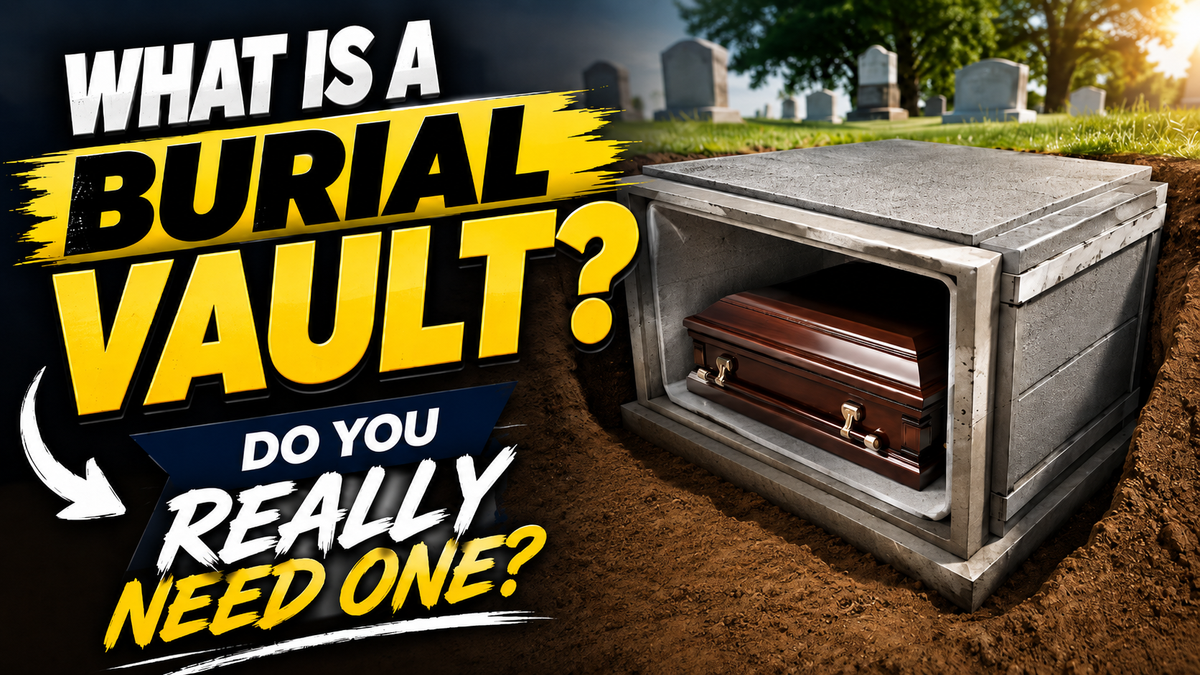
When planning a funeral or considering end-of-life arrangements, you may encounter the term burial vault. But what exactly is a burial vault, and why is it an important part of modern burial practices? In this comprehensive guide, we'll explore the definition, history, types, installation process, and significance of burial vaults, helping you make informed decisions for yourself or your loved ones.
Watch the Full Video Guide
Embedded iFrameEmbedded JavaScript
What Is a Burial Vault?
A burial vault is a sturdy, protective container that encloses a casket after it is placed in the ground. Unlike a simple grave liner, a burial vault is designed to provide superior protection against the weight of the earth and heavy cemetery equipment, as well as to prevent the collapse of the grave over time. Burial vaults are typically made from concrete, metal, or plastic, and are sealed to help keep out water and soil, offering an extra layer of durability that a grave liner alone cannot match.
Burial Vault vs. Grave Liner: What's the Difference?
These two terms are often used interchangeably, but they aren't the same thing. A grave liner is a simpler, more basic structure that typically covers only the top and sides of the casket, primarily to prevent the ground above from sinking. A burial vault, by contrast, fully encases the casket on all sides — top, bottom, and sides — offering significantly more protection from water intrusion, ground shifting, and the pressure of heavy cemetery maintenance equipment. Because of this added protection, vaults are generally more expensive than liners, but many cemeteries and families consider the extra durability worthwhile.
The History and Purpose of Burial Vaults
The use of burial vaults dates back to the 19th century, when cemeteries began to experience widespread issues with grave settling and ongoing maintenance. As cemeteries became more organized, landscaped, and park-like in appearance, the need to prevent ground sinking and preserve the visual integrity of gravesites became increasingly apparent. Burial vaults were introduced to address these concerns, providing structural support underground and helping cemeteries maintain smooth, level grounds for decades to come.
Types of Burial Vaults
There are several types of burial vaults available, each offering different levels of protection and features. Here's a comparison of the most common options:
| Type | Material | Protection Level | Typical Use |
|---|---|---|---|
| Grave Liner | Concrete or Plastic | Basic (top and sides only) | Minimum cemetery requirement |
| Standard Burial Vault | Concrete, Metal, or Composite | Moderate to High (fully encloses casket) | Most common choice |
| Premium Burial Vault | Reinforced Concrete with Metal or Plastic Liner | Maximum (sealing and added strength) | Long-term preservation |
Why Do Cemeteries Require Burial Vaults?
Most modern cemeteries require the use of a burial vault or, at minimum, a grave liner, for several practical reasons:
- Ground Stability: Vaults prevent the ground from sinking or collapsing as the casket deteriorates over time.
- Maintenance: They make it easier for cemetery staff to maintain the grounds and mow the grass with heavy equipment without risk of collapse.
- Protection: Vaults protect the casket from water, soil, and the weight of heavy equipment passing overhead.
- Appearance: They help preserve the uniform, respectful, park-like appearance of the cemetery for generations.
How Is a Burial Vault Installed?
The installation of a burial vault is a careful, multi-step process. After the grave is prepared, the vault's base is lowered into the ground first. The casket is then placed inside the vault, and the vault's lid is lowered into place and sealed. Some vaults feature a tongue-and-groove design or a butyl tape seal for added water resistance and protection. Once sealed, the grave is filled in and the site is restored to its finished appearance, typically in time for the burial service.
Choosing the Right Burial Vault
When selecting a burial vault, consider the following factors:
- Cemetery Requirements: Always check with your chosen cemetery for their specific rules, since requirements vary by location and some cemeteries only require a liner.
- Material and Construction: Concrete is most common, but metal, plastic, and composite options are also widely available, each with different price points and durability profiles.
- Budget: Vaults range from basic to premium, with prices reflecting the level of protection, materials, and additional features offered.
- Personal Preferences: Some families choose vaults with decorative finishes, engraved emblems, or other personalized touches that reflect the person being honored.
Frequently Asked Questions About Burial Vaults
- Is a burial vault required by law? No federal or state law requires a burial vault, but most cemeteries do, as a condition of the burial contract.
- Does a burial vault prevent decomposition? No, it slows the process by protecting the casket from soil and water, but it does not stop natural decomposition entirely.
- Can I personalize a burial vault? Yes, many manufacturers offer custom colors, emblems, or nameplates for an additional cost.
- Is a burial vault the same as a mausoleum? No — a burial vault is an underground container for a single casket, while a mausoleum is an above-ground structure that can house one or many caskets in individual crypts.
- How much does a burial vault typically cost? Pricing varies widely by material and protection level, from basic concrete liners on the lower end to premium sealed vaults on the higher end; your funeral home or cemetery can provide exact local pricing.
Learn More About Burial Vaults
For a comprehensive video explanation, check out this long video guide on burial vaults. You can also explore quick tips and insights on our YouTube Channel or listen to expert discussions on our podcast episode below.
Quick Tips (Short Videos)
For more helpful resources, view the Google Doc version.
Conclusion
Understanding what a burial vault is and why it's used can help you make thoughtful, informed decisions during a difficult time. Whether you're pre-planning or arranging a loved one's burial, knowing your options — from a basic grave liner to a premium sealed vault — ensures a respectful and lasting tribute. For more support and detailed information, visit our full support article.