What Is a Living Urn? A Complete Guide to Eco-Friendly Memorials

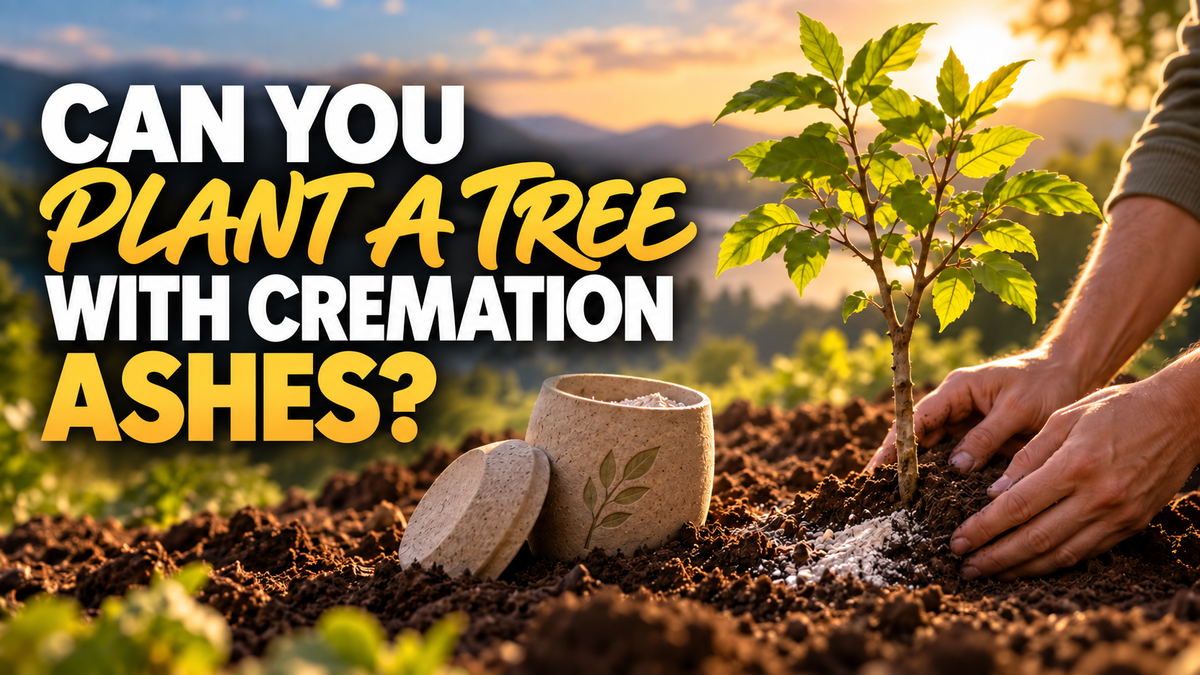
As families seek more meaningful and sustainable ways to honor their loved ones, the living urn has emerged as a beautiful, eco-friendly alternative to traditional burial or scattering. But what exactly is a living urn, and why are so many people choosing this unique memorial option? In this comprehensive guide, we'll explore what a living urn is, how it works, the science behind it, its benefits, and how you can create a lasting tribute that grows with time.
What Is a Living Urn?
A living urn is a biodegradable urn designed to hold cremated ashes and nurture the growth of a tree, plant, or flower. Instead of storing ashes in a traditional urn or scattering them, the living urn allows you to plant a tree or plant in memory of your loved one. Over time, the urn and ashes become part of the soil, nourishing new life and creating a living memorial that can be visited and cherished for generations.
Keeping ashes in a brass container or a columbarium niche offers permanence, but for many families a sealed, static vessel feels disconnected from the natural cycles of life. A living urn offers a memorial that changes with the seasons — one that grows, rather than simply sits.
Watch the Full Video Guide
Embedded JavaScriptEmbedded iFrame
How Does a Living Urn Work?
The living urn system includes a biodegradable container, a special soil mix, and a young tree or plant seedling. Here's how it works:
- The ashes are placed inside the urn, which is crafted from eco-friendly, biodegradable materials.
- The urn is planted in the ground along with the tree seedling or plant of your choice.
- As the urn breaks down naturally, the ashes integrate with the soil, nourishing the growing tree or plant.
This process transforms the memory of your loved one into a living, thriving tribute that benefits the environment.
The Science: Why You Can't Just Bury Ashes With a Sapling
It's worth understanding why a purpose-built living urn matters, rather than simply digging a hole and pouring ashes in alongside a young tree. After cremation, the material returned to a family consists of processed, mineralized bone fragments. This substance is highly alkaline and contains a dense concentration of soluble salts. When those extreme chemical conditions surround a young sapling's root zone, they actively prevent the plant from absorbing water — the roots dehydrate and effectively scorch. Pouring a full container of concentrated ashes directly into a planting hole can cause a young tree to struggle, or fail entirely, in its first season.
Living urn systems are engineered specifically to solve this problem, typically through two strategies working together:
- Chemical buffering: Proprietary soil additives and growing mediums interact directly with the ashes to lower the extreme pH and dilute the concentrated salts.
- Physical separation: The system isolates the concentrated remains in a lower chamber, while a protected upper chamber holds the delicate root zone — giving the tree time to anchor itself before its roots reach the mineralized layer below.
As the tree matures, it draws water from the neutralized soil zone and carbon from the air to build its physical mass — the memorial thrives because a carefully designed buffer protects the sapling while it establishes itself.
Benefits of Choosing a Living Urn
There are many reasons why families are choosing living urns as a memorial option:
- Eco-Friendly: Living urns are made from biodegradable materials and help promote new life, making them a sustainable choice.
- Personalized Memorial: Choose a tree or plant species that holds special meaning, creating a unique and personal tribute.
- Lasting Legacy: The memorial tree or plant can be enjoyed for years, providing comfort and a place for reflection.
- Healing and Connection: Planting and caring for a living memorial can be a therapeutic and meaningful experience for families — hauling water and checking soil moisture gives people a quiet, structured way to process grief.
Types of Living Urns
Living urns come in a variety of styles and options to suit different preferences and locations. Some are designed for outdoor planting, while others are suitable for indoor use with houseplants. You can choose from a wide range of tree and plant species, including flowering trees, evergreens, and even bonsai trees.
| Type | Best For | Common Species |
|---|---|---|
| Outdoor Living Urn | Yards, gardens, parks | Oak, maple, cherry, pine |
| Indoor Living Urn | Apartments, small spaces | Peace lily, bonsai, succulents |
| Pet Living Urn | Pet memorials | Dogwood, rose bush, houseplants |
Choosing which species to plant requires some realism about your location. A tree that thrives in a warm coastal climate may freeze and die in a snowy northern yard, and a species that grows into a heavy canopy with an aggressive root system can eventually damage nearby sidewalks or foundations. Checking your local hardiness zone and mature root spread before choosing a species helps ensure the memorial actually lasts.
Where You Can — and Can't — Plant a Living Urn
Where you plant matters just as much as how you plant. A private backyard offers comfort and easy access now, but legally, a planted tree becomes part of the real estate. If the property is ever sold, the new owners inherit the tree along with it — they could restrict access, prune it heavily, or remove it entirely. Public parks, national forests, and municipal land carry a different risk: planting without authorization typically violates land management rules, and unauthorized saplings are often removed by groundskeepers.
For guaranteed long-term permanence, many families choose a dedicated memorial forest, conservation burial site, or established cemetery ground, since these are specifically designed to protect the planting over time. Before committing to one of these locations, it's worth asking who holds legal title to the tree, whether visitors have year-round access, and who is responsible for replacing the tree if it doesn't survive.
Caring for a Living Urn Memorial
Planting the urn is just the beginning — the tree's survival over the following seasons depends on ongoing care. A few common mistakes are worth avoiding:
- Overwatering: Families anxious about the memorial's health often overwater the sapling, which can drown the roots and invite rot. Follow watering guidance for the specific species rather than watering out of worry.
- Piling mulch against the trunk: This traps moisture and insects against the bark, which can slowly damage or kill the tree. Keep mulch a few inches back from the trunk itself.
- Skipping professional help for larger plantings: An arborist can ensure the root flare sits at the correct depth and that watering schedules match your local climate — especially valuable for larger trees.
Accepting That a Living Memorial Is, in Fact, Alive
Perhaps the hardest part of choosing a living memorial is accepting biology. Even with perfect soil chemistry and dedicated care, a tree is a living organism — eventually, from a storm, disease, or simply old age, it will die. This can be distressing if a family equates the health of the tree directly with the memory of the person it represents.
Many families ease this pressure by dividing the remains — keeping a small portion at home or in a columbarium niche, so the living memorial doesn't have to carry the entire weight of remembrance on its own. Some also pair the physical site with a small marker or digital record, such as a scannable code that opens photos, biography details, or an audio recording, giving the memorial another way to preserve the person's story even as the tree itself changes over the years.
How to Use a Living Urn
Using a living urn is a straightforward process, but it's important to follow the instructions provided with your urn kit. Here are the general steps:
- Choose a suitable location for planting (consider sunlight, soil, space requirements, and — as noted above — who legally controls the land long-term).
- Prepare the site by digging a hole according to the urn's size.
- Place the ashes in the urn, add the soil mix, and insert the tree seedling or plant — starting with a nursery-grown seedling rather than a seed greatly improves the tree's odds of survival.
- Plant the urn in the ground and cover with soil.
- Water and care for the tree or plant as it grows, avoiding overwatering and keeping mulch away from the trunk.
For a step-by-step walkthrough, you can watch this detailed video guide on how to use a living urn.
Frequently Asked Questions About Living Urns
- Can I plant a living urn anywhere? Most living urns can be planted in private yards, gardens, or memorial parks. Always check local regulations before planting in public spaces, and consider how a future property sale could affect long-term access.
- What types of trees or plants can I use? Many living urn providers offer a variety of tree and plant options. Choose one that is suitable for your climate, hardiness zone, and available space — including how large it will grow.
- Is it safe for the environment? Yes, living urns are made from biodegradable materials and are designed to be eco-friendly.
- Can I use a living urn for pets? Absolutely — many families use living urns to memorialize beloved pets.
- Can I just put ashes directly in the ground with a tree? It's not recommended. Raw ashes are highly alkaline and salt-concentrated, which can dehydrate and damage a young tree's roots. A living urn system is specifically designed to buffer and separate the ashes so the tree can establish itself safely.
- What happens if the memorial tree dies? It can be a difficult moment, but it doesn't erase the memorial itself. Many families keep a portion of ashes elsewhere for this reason, and some memorial providers offer replacement policies — worth asking about before you plant.
Why Choose a Living Urn?
Choosing a living urn is more than just a memorial — it's a way to celebrate life, honor memories, and give back to the earth. It's a beautiful, sustainable alternative to traditional memorials that creates a lasting legacy for generations to come, and an evolving one — asking for ongoing care rather than staying frozen in place.
Learn More and Get Inspired
If you're interested in learning more, check out the Funeral Program Site YouTube Channel for helpful videos and inspiration. You can also listen to an insightful podcast episode about living urns and eco-friendly memorials below.
Embedded JavaScript
Quick Tips (Short Videos)
For even more details and a printable resource, view the Google Doc version.
To explore more about living urns, their benefits, and how to choose the right memorial for your family, read the full support article.
Conclusion
The living urn offers a meaningful, eco-friendly way to honor the memory of a loved one or pet. By planting a tree or plant with their ashes, you create a living legacy that grows and flourishes for years to come. Whether you're seeking a personal tribute or a sustainable alternative to traditional memorials, the living urn is a beautiful choice that celebrates life and gives back to the earth — as long as it's planted with the right preparation, location, and ongoing care.