Wearing White to a Funeral: A Complete Guide to When It’s Appropriate

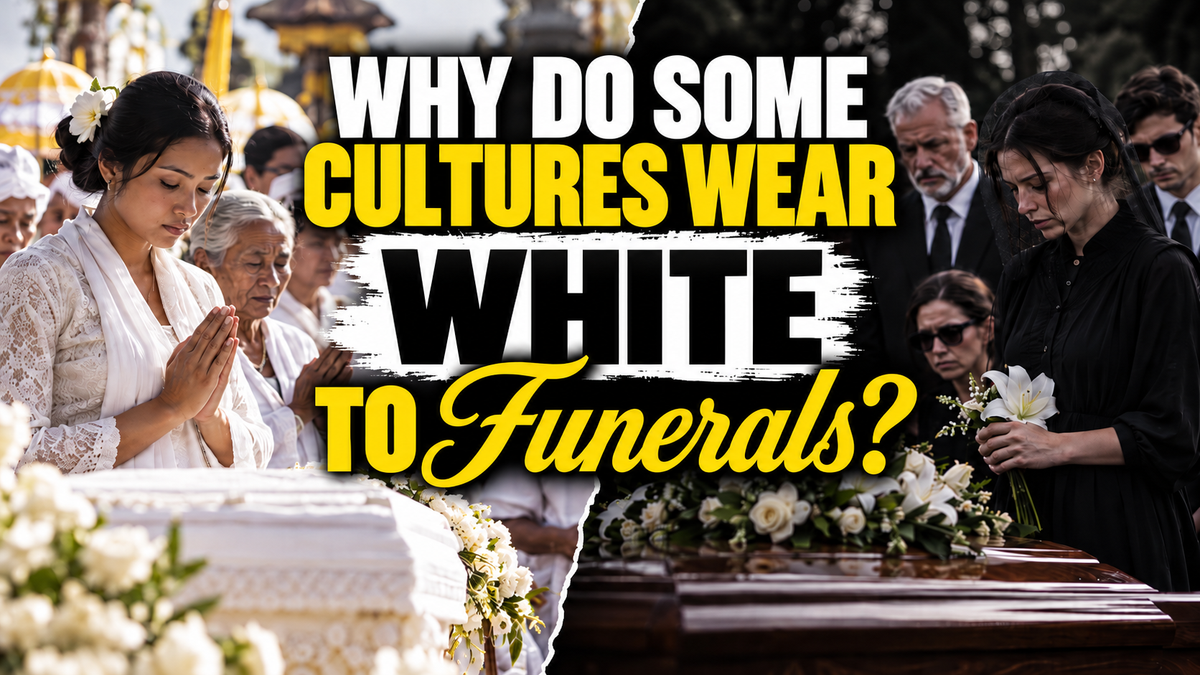
For generations, black has been the default color of mourning in much of the Western world. So when a funeral invitation asks guests to wear white, or when you notice mourners dressed in white at a service, it can raise questions. Is it respectful? Where does the tradition come from? And how do you get it right?
The truth is that white has been a color of mourning for centuries in many cultures, and today more families are choosing it to celebrate a life rather than focus only on loss. This guide covers the history and meaning behind wearing white to funerals, when it's appropriate, and practical tips for dressing respectfully.
Watch the Full Video Guide
White as a Color of Mourning: A Short History
Black became the standard mourning color in Western Europe and North America largely over the past few centuries, and it was reinforced by Victorian customs in the 1800s. But white has an even longer history as a color of grief in many parts of the world:
- China: White has traditionally been the color of mourning, and close family members customarily wear white or undyed clothing at funerals.
- India: In Hindu tradition, mourners often wear white to funerals and during the mourning period, and white has long been associated with widowhood.
- Korea and Vietnam: Traditional mourning garments and headbands are white or undyed.
- Japan: White was historically worn for mourning, though black has become the norm in modern times.
- Medieval Europe: French royal widows once wore white mourning, a custom known as deuil blanc ("white mourning").
Across these traditions, white often represents purity, peace, rebirth, and the soul's passage to what comes next.
White in Faith Traditions
White also carries meaning in religious services. In the Catholic Church, for example, priests may wear white vestments at a funeral Mass to express hope in the resurrection. In some Christian congregations, especially in many African American churches, ushers, nurses' guilds, or family members may wear white at "homegoing" services that celebrate a believer going home to God. Practices vary by congregation, so it's always worth following the family's lead.
Why More Families Are Asking Guests to Wear White
Today, a growing number of families request white attire, often for reasons like these:
- To celebrate a life: White sets an uplifting tone for a celebration of life rather than a somber farewell.
- To reflect the person's spirit: A loved one known for warmth, joy, or a bright personality may have wanted a brighter gathering.
- To honor faith or heritage: Families may wish to reflect cultural or religious traditions where white is customary.
- For a child or young person: White is sometimes chosen to symbolize innocence and purity.
- To create unity: When everyone wears white, it creates a striking, unified tribute.
When Is It Appropriate to Wear White to a Funeral?
The key is context. Here's how to decide:
- Check the obituary, invitation, or event page. Families often state a dress code, such as "please wear white" or "bright colors welcome."
- Consider the culture and faith of the family. In some communities white is expected; in others it may feel out of place.
- Ask if you're unsure. A quick, respectful question to a family member or the funeral home avoids any discomfort.
- When no guidance is given, lean conservative. Without a request from the family, dark or muted colors remain the safest choice at a traditional Western funeral.
Funeral Attire Colors Compared
| Color | What It Often Represents | Where It's Common |
|---|---|---|
| Black | Grief, respect, solemnity | Traditional Western funerals; the safe default when no dress code is given |
| White | Purity, peace, rebirth, celebration of life | Many Asian traditions, some faith services, and celebrations of life when requested |
| Navy, gray, charcoal | Quiet respect, neutrality | Widely accepted at most services |
| Bright colors | Joy, personality, celebration | Celebrations of life, when the family invites it |
How to Wear White to a Funeral Respectfully
If the family has asked for white, or you've decided to wear white to a funeral, these tips will help you look appropriate:
- Keep it modest. Choose clean, simple lines with appropriate necklines and hemlines. Skip anything that looks like party, beach, or bridal wear.
- Mind the fabric. Opt for opaque, wrinkle-resistant fabrics. Cotton, linen blends, crepe, and wool are good choices; avoid sheer or shiny materials.
- Balance with neutrals if allowed. Unless the family asked for all white, a dark jacket, shoes, or belt can ground the look.
- Keep accessories understated. Minimal jewelry, subtle makeup, and simple bags keep the focus on the person being remembered.
- Plan for the setting. Outdoor or graveside services can be muddy or windy. Choose practical shoes, and bring a layer.
- Check for stains and fit beforehand. White shows everything, so try your outfit on ahead of time.
Outfit Ideas for a White-Attire Funeral
- For women: A knee-length or longer white dress with sleeves or a cardigan; white tailored trousers with a white blouse; or a white skirt suit.
- For men: A white or ivory dress shirt with light trousers; a light-colored suit; or an all-white shirt and slacks for a celebration of life.
- For children: Simple white dresses, polo shirts, or button-down shirts with neat pants or skirts.
Frequently Asked Questions
Is it disrespectful to wear white to a funeral?
Not if the family has requested it or it fits the cultural or religious tradition. Without guidance, especially at a traditional Western service, it's safer to choose darker colors or ask first.
Can I combine white with other colors?
Yes. Pairing white with black, navy, or gray is usually a respectful middle ground, unless the family specifically requested all white.
What should I wear if the family asks for white but I don't own anything white?
Cream, ivory, or very light neutrals are generally fine. The family will appreciate the effort more than a perfect match.
What if the family requests a specific color?
Always honor their wishes. Dress codes are one of the ways families shape a meaningful farewell.
Why do some cultures wear white for mourning?
In many traditions, white symbolizes purity, peace, and the soul's transition, making it a natural color for honoring the dead.
Embedded JavaScript
Quick Tips (Short Videos)
Listen to the Podcast Episode
Prefer to listen? This episode of The Funeral Channel Podcast explores the cultural and modern meanings behind wearing white to funerals.
More Resources
- Watch the complete video guide on YouTube.
- Read the full support article.
- Download the printable Google Doc version.
- See more quick etiquette tips on our YouTube Shorts channel.
Final Thoughts
Choosing what to wear to a funeral comes down to respect: for the person being remembered, for their family's wishes, and for the traditions that shape the service. White has deep roots as a color of mourning around the world, and today it's increasingly chosen to celebrate a life well lived. If the family invites you to wear white to the funeral, do so with simplicity and care. If you're unsure, ask. In the end, your presence and support mean far more than the color you wear.
About the Author: Christi Anderson is the founder of The Funeral Program Site and The Funeral Channel Network, and a published author dedicated to helping families navigate funeral planning and end-of-life traditions with compassion and clarity.