Funeral Scams: A Complete Guide to Protecting Yourself and Your Loved Ones

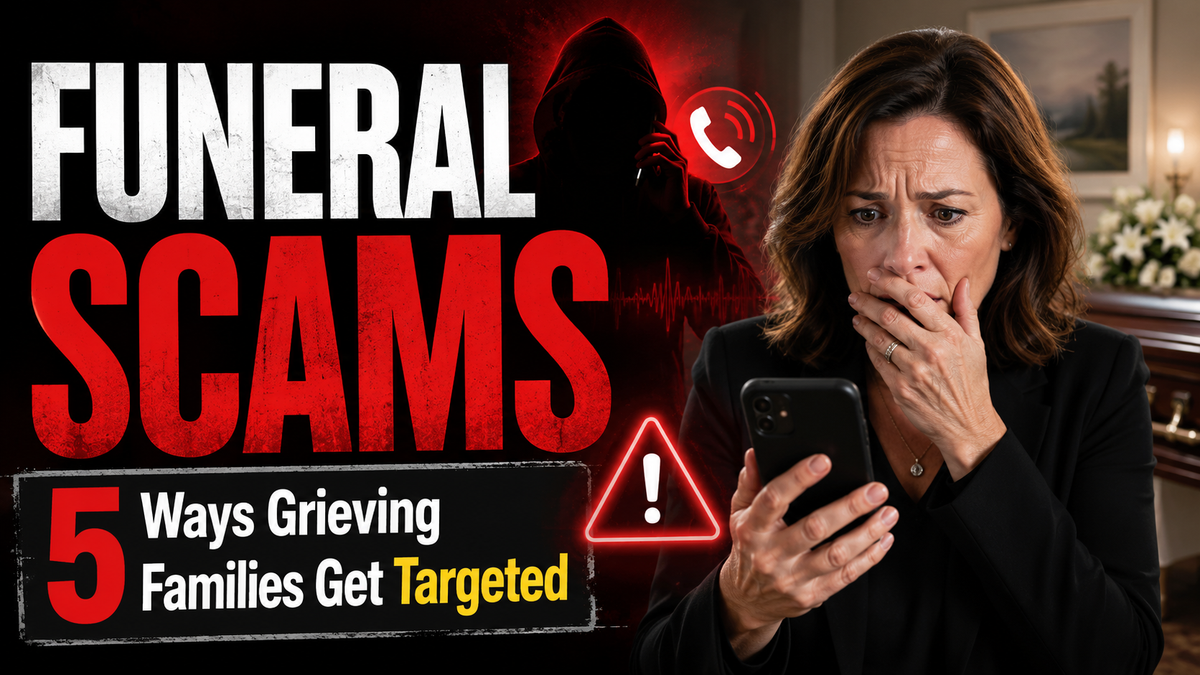
Planning a funeral is never easy, and during such an emotionally taxing time, families are especially vulnerable to deceptive practices. Funeral scams are on the rise, targeting grieving individuals with false promises, overpriced services, and even outright fraud — often at the exact moment when people are least equipped to scrutinize every detail. In this comprehensive guide, we'll explain the most common funeral scams, how to spot them before they cause harm, and what you can do to protect yourself and your loved ones.
Watch the Full Video Guide
Understanding Funeral Scams
Funeral scams are fraudulent or unethical practices that exploit people making funeral arrangements, often during the first few chaotic days after a death. These scams can range from fake funeral homes operating entirely online to aggressive upselling of unnecessary products and services by otherwise legitimate-seeming providers. Scammers may use high-pressure tactics, misleading information, or even identity theft to take advantage of families during their time of need, counting on grief and exhaustion to lower a family's usual guard.
Common Types of Funeral Scams
| Type of Scam | Description |
|---|---|
| Fake Funeral Homes | Scammers create fake websites or impersonate funeral directors, collecting deposits for services that never happen. |
| Overpriced Services | Some providers inflate prices or pressure families into buying expensive, unnecessary add-ons they never actually requested. |
| Phishing & Identity Theft | Fraudsters request personal information under the guise of funeral arrangements, leading to identity theft or financial fraud. |
| Prepaid Funeral Scams | Fake or unstable companies offer prepaid plans, collect payment, and then disappear or go out of business before services are rendered. |
How to Spot and Avoid Funeral Scams
- Research Funeral Homes: Always verify the legitimacy of a funeral home before signing anything. Check online reviews, confirm state licensing, and visit in person if at all possible.
- Request Written Estimates: Ask for a detailed, itemized price list before agreeing to any services — reputable providers are required by law to give you one, known as a General Price List.
- Be Wary of High-Pressure Sales: Legitimate providers will not rush or pressure you into making quick decisions about caskets, packages, or add-ons.
- Protect Personal Information: Never give out sensitive details like Social Security numbers or banking information unless you are certain of the recipient's identity and legitimacy.
- Understand Prepaid Plans: If considering a prepaid funeral plan, read the contract carefully, confirm how funds are protected (such as being held in a state-regulated trust), and ensure the company is reputable and long-established.
What to Do If You Suspect a Scam
If you believe you have encountered a funeral scam, acting quickly can make a real difference. Take these steps immediately:
- Report the incident to your local consumer protection agency or the Federal Trade Commission (FTC).
- Contact your state's funeral regulatory board, which oversees licensing and can investigate complaints against funeral homes.
- Alert your bank or credit card company right away if you have made payments to a suspicious provider, so they can flag or reverse the charges if possible.
Real-Life Examples and Red Flags
Here are some real-world warning signs and examples of funeral scams to watch out for:
- Unsolicited Calls or Emails: Scammers may contact you out of the blue, claiming to be from a funeral home, cemetery, or insurance company, often shortly after a death is publicly reported.
- Requests for Upfront Payment: Be cautious if you are asked to pay large sums in full before any services are actually rendered or confirmed.
- Unclear or Vague Contracts: Always read contracts thoroughly and ask questions about anything you don't fully understand — a legitimate provider will welcome the questions, not discourage them.
- Pressure to Buy Expensive Packages: If you feel rushed or pressured into upgrading, take a step back, sleep on it if you can, and seek a second opinion before committing.
Additional Resources
For more information on funeral scams and how to protect yourself, check out this detailed video guide and visit The Funeral Program Site for trusted resources. You can also explore our YouTube channel for more tips and advice on staying protected.
Quick Tips
- How to Spot a Funeral Scam — a quick tip on identifying red flags when dealing with funeral providers.
- Avoiding Prepaid Funeral Scams — a brief overview of how to safely consider prepaid funeral plans.
For those who want to continue learning, view the Google Doc version for a concise summary and additional resources.
Conclusion
Funeral scams prey on people during one of the most vulnerable times in their lives, when clear thinking is hardest to come by. By staying informed and vigilant — researching providers, requesting written estimates, and trusting your instincts — you can protect yourself and your loved ones from falling victim to these deceptive practices. Always do your research, ask questions, and don't be afraid to walk away if something feels off. For more support, visit The Funeral Program Site and subscribe to our YouTube channel for ongoing updates and tips.
Listen to the Podcast Episode
Listen to "Funeral Scams: How to Protect Yourself and Your Loved Ones" on Podbean