Funeral Service of Thanksgiving: A Complete Guide to Celebrating a Life with Gratitude

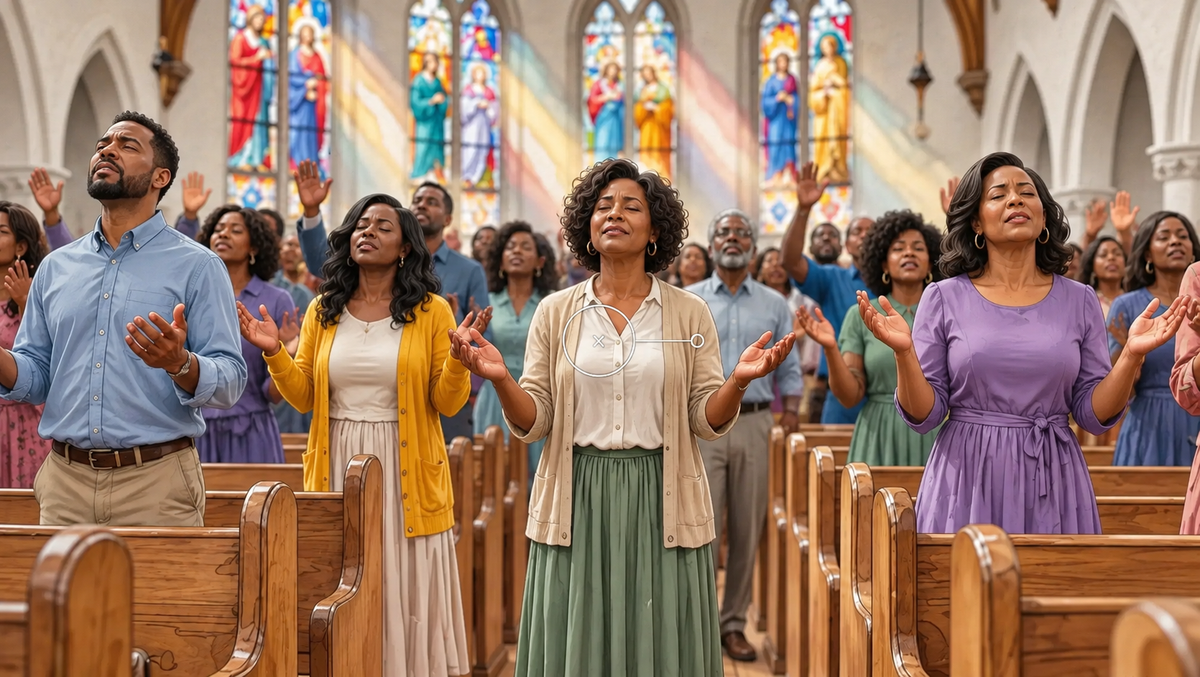
When someone we love dies, the first instinct is often to grieve what has been lost. Yet many families discover that the most comforting way to say goodbye is to give thanks for what was given. A funeral service of thanksgiving does exactly that. It turns the focus of the gathering toward gratitude: for the years shared, the lessons taught, the laughter remembered, and the faith that carried a life from beginning to end.
This guide walks you through what a thanksgiving funeral service is, how it differs from a traditional funeral, what to include, how to personalize it, and how to plan the day with less stress. Whether you are arranging a service right now or preparing your own wishes ahead of time, you will find practical ideas, a sample order of service, and resources to help you create a tribute that comforts everyone who attends.
Watch the Full Video Guide
What Is a Funeral Service of Thanksgiving?
A funeral service of thanksgiving is a memorial ceremony built around gratitude. Rather than centering the hour on sorrow, it invites family, friends, and congregation members to celebrate the blessings a person brought into the world and to thank God for the gift of their life. Grief is still welcome in the room; no one is asked to pretend the loss does not hurt. But the overall tone leans toward joy, appreciation, and hope.
The idea has deep roots in Christian worship, where thanksgiving is one of the oldest forms of prayer. Many churches use phrases such as "Service of Thanksgiving for the Life of..." or "A Celebration of Life and Thanksgiving" on their programs. In some traditions the service is held days or weeks after a private burial or cremation, giving the wider community a chance to gather once the immediate shock has eased. In others, it replaces the traditional funeral entirely.
You will also see the thanksgiving service closely connected to the homegoing tradition in many African American churches, where a believer's death is seen as a return home to God and is marked with uplifting music, testimony, and praise.
How It Differs from a Traditional Funeral
The structure of a thanksgiving service can look similar to a standard funeral, but the emphasis shifts in a few important ways:
- Tone: A traditional funeral often focuses on mourning and commendation. A thanksgiving service highlights gratitude and celebration.
- Music: Hymns and songs tend to be more upbeat and praise-centered, such as "Great Is Thy Faithfulness" or "How Great Thou Art," rather than only somber selections.
- Participation: More voices are usually invited to share, from grandchildren to coworkers to church members.
- The body: A thanksgiving service may take place without a casket present, especially if burial or cremation has already happened.
- Dress code: Some families ask guests to wear bright colors or the loved one's favorite color instead of traditional black.
Key Elements of a Thanksgiving Funeral Service
Every service should reflect the person being honored, but most thanksgiving services are built from the same core pieces. Think of these as building blocks you can arrange and adapt.
- Opening Prayers and Welcome: The officiant greets guests, names the purpose of the gathering, and sets a tone of gratitude and remembrance.
- Hymns and Music: Uplifting songs that celebrate life and faith, sung by the congregation, a soloist, or a choir.
- Scripture Readings: Passages that offer comfort and hope. Popular choices include Psalm 23, Psalm 100 (a psalm of thanksgiving), John 14:1–6, Romans 8:38–39, 1 Thessalonians 4:13–18, and Revelation 21:1–4.
- Eulogies and Tributes: Personal stories and memories shared by family and friends that paint a picture of who the person really was.
- Thanksgiving Prayers: Specific prayers of gratitude for the life, character, and legacy of the deceased.
- Sermon or Message of Hope: A brief reflection, often from the pastor, connecting the person's life to the promise of faith.
- Closing Blessings: A benediction that sends attendees forth with hope and peace.
Personalizing the Service for Lasting Impact
Personal touches are what turn a good service into an unforgettable one. When guests leave saying "That was exactly her" or "He would have loved that," you know the service did its job. Consider including:
- Favorite Songs or Poems: Choose music and readings that were special to your loved one, even if they are not traditional funeral selections.
- Photo Slideshows: Share cherished memories visually, moving from childhood through the later years. Keep it to five to eight minutes so it holds attention.
- Memory Tables: Display items that represent their passions and achievements: a well-worn Bible, a fishing rod, military medals, a favorite recipe card, or a quilt they made.
- Guest Participation: Invite attendees to share brief stories or messages of thanks during an open-mic moment or on cards collected at the door.
- A Gratitude Wall or Board: Give guests sticky notes or cards to write "I'm thankful for..." and post them where everyone can read them.
- Personalized Funeral Programs: A printed program becomes a keepsake. Include a favorite photo, an obituary, the order of service, and a short thank-you from the family.
For more inspiration, you can watch this in-depth video guide on planning a thanksgiving funeral service.
Sample Order of Service
Below is a simple, adaptable outline. A typical thanksgiving service runs 45 to 75 minutes. Adjust the order to match your church's customs or your family's wishes.
| Order | Details |
|---|---|
| Prelude | Soft instrumental music as guests are seated |
| Processional | Family enters, often led by the officiant |
| Welcome & Opening Prayer | Led by officiant or clergy; sets the tone of gratitude |
| Hymn or Song | Uplifting music reflecting faith or personal taste |
| Old Testament Reading | A psalm or passage of comfort, such as Psalm 23 or Psalm 100 |
| New Testament Reading | A passage of hope, such as John 14 or Romans 8 |
| Obituary Reading | Read silently from the program or aloud by a family member |
| Eulogy | Personal tribute from a family member or close friend |
| Additional Tributes | Short stories or memories from attendees (two minutes each) |
| Special Music | A solo, choir selection, or recorded favorite song |
| Message of Hope | Brief sermon or reflection from the pastor |
| Thanksgiving Prayers | Expressions of gratitude for the life lived |
| Closing Hymn | A congregational song of praise |
| Closing Blessing | Final words of hope and peace |
| Recessional & Repast | Family exits; guests are invited to a reception or fellowship meal |
Why Choose a Thanksgiving Service?
Opting for a funeral service of thanksgiving can help families focus on the positive impact of their loved one, fostering healing and unity. Gratitude does not erase grief, but it gives grief somewhere to go. Many families find that naming specific blessings out loud—"she taught me to pray," "he never missed a game"—helps them begin to heal.
This approach is especially fitting when:
- The person lived a long, full life and their passing came after years of rich experiences.
- The person had a strong faith and would want their service to point others toward hope.
- The person specifically asked for a celebration rather than a sad occasion.
- The family wants to bring together a large, diverse community of friends, church members, and colleagues.
Planning Timeline: What to Do and When
Planning under pressure is hard. Breaking the work into stages makes it more manageable.
- First 24–48 hours: Contact the funeral home, notify close family, and reach out to your pastor or officiant. Confirm whether the thanksgiving service will happen before or after burial or cremation.
- Days 2–4: Set the date, time, and location. Choose readers, speakers, musicians, and pallbearers if needed. Write the obituary.
- Days 3–5: Select hymns and scripture, gather photos for the slideshow and program, and design and order printed funeral programs.
- Days 5–7: Confirm the order of service with the officiant, finalize the slideshow, set up the memory table, and arrange the repast.
- Day of the service: Arrive early, assign someone to greet guests and hand out programs, and appoint a point person so the immediate family can focus on being present.
Resources for Planning and Support
Planning a thanksgiving funeral service can feel overwhelming, but you do not have to do it alone. The Funeral Program Site offers templates, guides, and inspiration for creating a personalized service and a program your family will keep for years. You can also explore their YouTube channel for more video resources and ideas.
Tips for a Meaningful Service of Thanksgiving
- Start with Gratitude: Open the service by acknowledging the blessings your loved one brought into your lives.
- Encourage Participation: Invite guests to share memories or messages of thanks, but set a time limit so the service stays on schedule.
- Incorporate Faith Traditions: Include prayers, hymns, or rituals that reflect your loved one's beliefs.
- Celebrate Achievements: Highlight milestones, contributions, and the unique qualities that made them who they were.
- Honor the Grief Too: Gratitude and sorrow can sit side by side. Allow space for tears as well as laughter.
- Offer Comfort: Close with words of hope and reassurance for those who are grieving.
- Follow Up with Thanks: After the service, send thank-you cards to those who spoke, sang, cooked, or helped. It carries the spirit of thanksgiving beyond the day itself.
Quick Tips (Short Videos)
Frequently Asked Questions
Is a service of thanksgiving the same as a memorial service?
They overlap. A memorial service is any service held without the body present. A service of thanksgiving can be a memorial service, a funeral with the casket present, or a celebration held later. What sets it apart is the focus on gratitude.
Can a thanksgiving service be non-religious?
Yes. While the tradition comes from Christian worship, families can hold a secular celebration of gratitude with readings, music, and tributes in place of prayers and scripture.
How long should a service of thanksgiving last?
Most run between 45 and 75 minutes. Homegoing services with extended music and testimony may run longer.
What should I write on the funeral program?
A common heading is "A Service of Thanksgiving for the Life of [Full Name]," followed by birth and death dates, date, time, and location of the service, the order of service, the obituary, and a family acknowledgment.
Further Reading and Support
For a deeper dive into planning a funeral service of thanksgiving, view the Google Doc version. You'll find more detailed checklists, sample readings, and creative ideas to help you honor your loved one's legacy with gratitude and love.
For additional resources and support, read the full support article.
Conclusion
A funeral service of thanksgiving is a powerful way to honor a loved one's life with gratitude, hope, and remembrance. By focusing on the blessings and positive impact they brought to others, you create a ceremony that uplifts, comforts, and inspires everyone who attends. Whether you fill the hour with favorite hymns, heartfelt stories, a slideshow of treasured photos, or simple prayers of thanks, your service will stand as a lasting tribute to a life well lived, and a reminder that love does not end with goodbye.