Buying a House on a Burial Ground: A Complete Guide to Risks, Laws, and Research

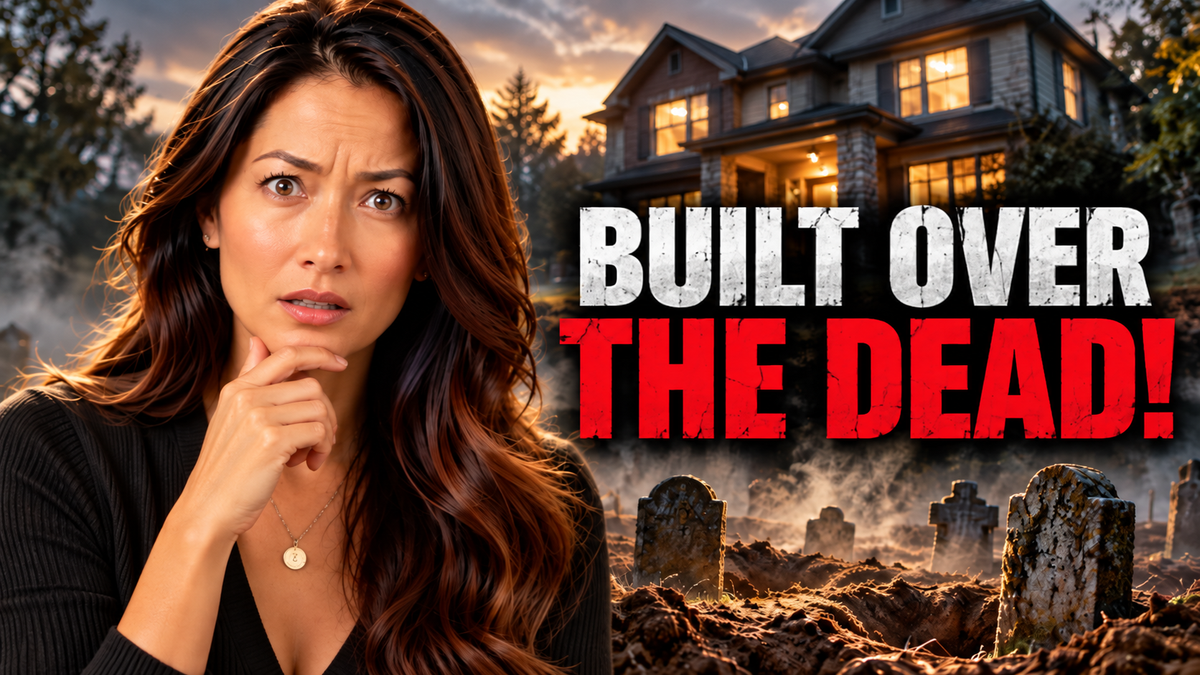
Buying a home is one of the biggest decisions most people ever make. But what happens when you learn the property you love was built on a burial ground? For some buyers, the idea is unsettling. For others, it's simply part of the land's history. Either way, it raises real questions about law, ethics, resale value, and peace of mind. In this complete guide, we explain what it means to buy a house on a burial ground, how it happens, the risks and potential benefits, your legal protections, and the research steps that can help you make a confident decision.
Watch the Full Video Guide
What Does It Mean to Buy a House on a Burial Ground?
Burial grounds have been part of human communities for thousands of years. As towns and cities grow, land that once held cemeteries, churchyards, family plots, or unmarked graves is sometimes redeveloped. When this happens, a few different outcomes are possible:
- Graves were formally relocated: Remains were legally exhumed and moved to another cemetery before construction.
- Markers were removed but remains stayed: In some historical cases, headstones were taken away while burials were left in place, often without full records.
- Unmarked or forgotten graves: Older family cemeteries, pauper's fields, or Indigenous burial sites may never have been recorded at all.
- Nearby, not underneath: Many homes are simply adjacent to an existing cemetery, which carries different considerations than being built directly over graves.
Knowing which situation applies to a property is the single most important step before you buy a house on a burial ground.
How Homes End Up on Former Burial Sites
Most cases are not the result of wrongdoing. Many rural families historically buried relatives on their own land, and over generations those small plots were forgotten as farms were sold and subdivided. Urban churchyards and city cemeteries were sometimes closed and relocated during periods of rapid growth, and record-keeping wasn't always complete. In other cases, Indigenous burial grounds and the graves of enslaved people were never documented by those who later developed the land. That's why some burial sites are only discovered when someone digs a foundation, pool, or garden.
Potential Risks of Buying a House on a Burial Ground
If you're considering a property on or near a burial ground, weigh these concerns carefully:
| Risk or Concern | What It Means for You |
|---|---|
| Legal restrictions | Many states protect graves, including unmarked ones. Disturbing remains can be a crime, and construction may have to stop if remains are found. |
| Access rights | Some states give descendants a legal right to visit family graves on private land, which may mean allowing visitors onto your property. |
| Limits on renovations | Adding a pool, basement, addition, or even deep landscaping could require surveys, permits, or archaeological review. |
| Resale value | Some buyers avoid "stigmatized" properties, which can narrow your market and affect price. |
| Cultural and personal beliefs | Religious or cultural views may affect your comfort, your family's comfort, or future buyers'. |
| Soil and structural questions | Old burial sites can occasionally involve uneven soil settling, though this is uncommon and an inspection can help clarify it. |
Benefits and Unique Opportunities
A burial-ground history isn't automatically a deal-breaker. In some cases, it can work in a buyer's favor:
- Lower price: Stigmatized properties sometimes sell at a discount or sit on the market longer, giving buyers room to negotiate.
- Quiet neighbors: Homes beside established cemeteries often enjoy peaceful surroundings, open green space, and no future development next door.
- Character and history: Some buyers appreciate a property with a story and a connection to the community's past.
- Properly handled sites: When graves were legally relocated and documented, many of the legal and practical concerns largely disappear.
Legal Considerations Before You Buy
Laws about burial grounds and real estate vary widely by state and country, so it's essential to get local advice. A few key points to understand:
- Disclosure rules differ: Some places require sellers to disclose known material facts about a property, while others have specific rules for "stigmatized" properties. A former burial ground may or may not be something a seller is legally required to disclose where you live, so don't rely on disclosure alone.
- Graves are often legally protected: Many states have laws protecting cemeteries and human remains, including unmarked graves on private property. If remains are discovered, work usually must stop and authorities must be notified.
- Indigenous burial sites: State laws, and on federal or tribal land the Native American Graves Protection and Repatriation Act (NAGPRA), may govern how Native American remains and burial sites are treated.
- Family cemetery access: In several states, descendants and family members have a legal right of reasonable access to visit and maintain graves on private land.
- Title and survey: A title search and land survey may reveal cemetery easements, dedications, or restrictions recorded against the property.
Consulting a real estate attorney before you sign is the best way to understand your rights and obligations.
How to Research a Property's History
Before you buy a house on a burial ground, or any older property, these steps can uncover what you need to know:
- Ask the seller directly about any known graves, cemeteries, or burial history, and get the answer in writing.
- Order a full title search and review it with your attorney or title company for easements or cemetery dedications.
- Get a current land survey that shows boundaries and any marked burial areas.
- Check historical maps, such as old county maps, plat maps, and fire insurance maps, which sometimes show former cemeteries.
- Contact the local historical society, county records office, or state historic preservation office for cemetery records.
- Search cemetery databases and genealogy records that list small family plots.
- Talk to longtime neighbors, who often remember local history that never made it into official records.
- Hire a qualified home inspector and, if concerns arise, consider a geotechnical or ground-penetrating radar survey.
For a deeper look at these steps, watch this in-depth video guide on the topic.
What to Do If Remains Are Discovered
If you or a contractor ever uncover what may be human remains, stop all work immediately and leave everything in place. Contact local law enforcement or the county coroner or medical examiner, who will determine whether the remains are historical. Your state historic preservation office or archaeology program may become involved, and in some cases, tribal nations or descendants will be consulted. Following the proper process protects you legally and ensures the remains are treated with dignity.
Ethical and Emotional Considerations
Beyond the legal questions, ask yourself and your family how you truly feel about living on land that once served as a final resting place. Some people find meaning in caring for the graves on their property, maintaining them respectfully and welcoming descendants who come to visit. Others know they would never feel fully at ease. Neither reaction is wrong. Your home should be a place of comfort, so honest reflection matters as much as any inspection report.
Stories From Homeowners
Experiences vary widely. Many homeowners living on or beside former burial grounds report nothing unusual at all and say they rarely think about it. Others describe a sense of unease, and some share stories of unexplained events. Families who know the full history of their land, and who treat any remaining graves with care, often say that knowledge brings peace of mind. Your own experience will depend on your beliefs, the property's history, and how the site was handled when it was developed.
Frequently Asked Questions About Buying a House on a Burial Ground
Is it legal to build a house on a burial ground?
It depends on local laws and how the site was handled. In many places, graves must be legally relocated before construction, and disturbing human remains without permission is illegal.
Do sellers have to disclose that a house is on a burial ground?
Disclosure rules vary by state and country. Some areas require disclosure of known material facts, while others do not specifically address burial grounds, so buyers should research independently.
Can descendants visit graves on my property?
In several states, family members have a legal right of reasonable access to visit and maintain graves located on private land.
How can I find out if a property was a burial ground?
Review title records, land surveys, historical maps, county and historical society records, and cemetery databases, and ask the seller and neighbors.
Quick Tips (Short Videos)
Should You Buy a House on a Burial Ground?
In the end, the decision is personal. Weigh the legal, financial, and emotional factors, gather as much information as you can, and lean on professionals such as a real estate attorney, title company, and inspector. For more unique property stories and guidance, visit our YouTube channel or listen to the podcast episode below.
For more resources and support, read the full support article.
Want a printable version? View the Google Doc version.
Conclusion
Buying a house on a burial ground is a unique situation, but it doesn't have to be a frightening one. By learning the land's history, understanding the laws where you live, and being honest about your own comfort level, you can make a decision that's right for you and your family. Whether you see the property as an opportunity or a risk, careful research and professional advice will help you move forward with confidence and respect for those who came before.