Why Were Mirrors Covered When Someone Died? A Complete Guide to This Funeral Tradition

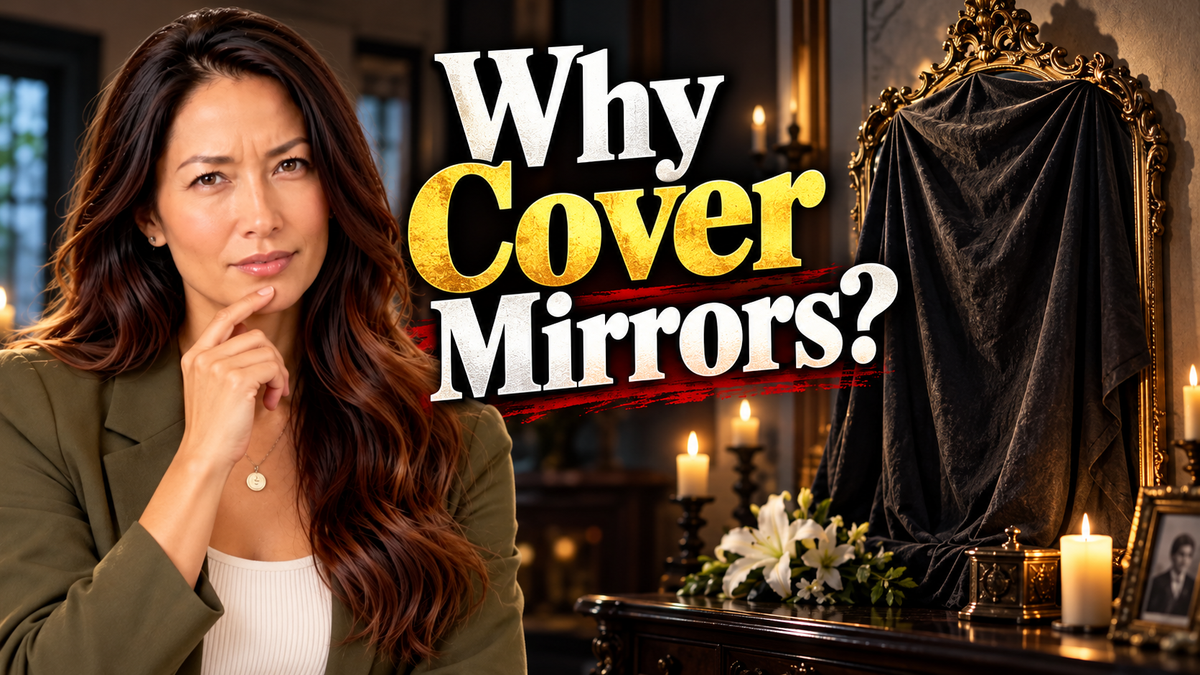
When a loved one dies, families often turn to rituals that have been passed down for generations. Some are familiar, like lighting candles or wearing black. Others seem more mysterious, such as the practice of covering mirrors throughout the home. So why were mirrors covered when someone died? The answer weaves together religious law, ancient superstition, Victorian mourning etiquette, and a deeply human need to turn inward during grief. In this complete guide, we explore where the custom came from, what it means in different traditions, how it is practiced, and why many families still observe it today.
Watch the Full Video Guide
The Historical Roots of Covering Mirrors
Covering mirrors after a death is most closely associated with Jewish mourning customs, especially during shiva, the seven-day period of mourning that begins after the burial. But similar practices appear in many other places, from Victorian England and Ireland to parts of Eastern Europe, the American South, and various folk traditions around the world.
For much of human history, mirrors and other reflective surfaces, such as still water and polished metal, were regarded as far more than household objects. Many cultures believed a reflection captured something of a person's soul. Mirrors were sometimes seen as doorways between the world of the living and the world of spirits. With beliefs like these, it's easy to understand why a household in mourning might cover every reflective surface while death was so close at hand.
Why Jewish Families Cover Mirrors During Shiva
In Jewish tradition, covering mirrors in the house of mourning is a widely observed custom, though it is not a formal biblical commandment. Several explanations are commonly given:
- Turning away from vanity: Shiva is a time to focus entirely on grief and the memory of the deceased. Mourners traditionally set aside concerns about appearance, refraining from things like shaving, wearing makeup, or new clothing. Covering mirrors removes the temptation to focus on oneself.
- Prayer in the shiva home: Prayer services are often held in the mourner's home during shiva. Jewish custom discourages praying in front of a mirror or one's own image, so covering mirrors allows these services to take place appropriately.
- Reflecting the loss: Some teachings describe humanity as created in God's image. When a life is lost, that image is diminished, and covering mirrors is a quiet acknowledgment of this.
- Intimacy and private grief: Covered mirrors signal that the home is a place of mourning, where mourners are free to grieve without self-consciousness.
Mirrors are typically covered as soon as the family returns from the cemetery, or sometimes immediately after the death, and remain covered for the full seven days of shiva.
The Victorian Era and Mourning Etiquette
In 19th-century Britain and America, mourning became highly ritualized, especially after Queen Victoria entered decades of mourning for her husband, Prince Albert, in 1861. Victorian households often followed a set of customs when a death occurred: stopping the clocks at the moment of death, drawing the curtains, hanging black crepe on the front door, and covering mirrors with black or white cloth.
Victorian beliefs about mirrors blended practicality with superstition. Many people feared that the soul of the departed could become trapped in a mirror's reflection and be unable to move on. Others believed that anyone who saw their own reflection in the room where a body lay might be the next to die. Covering mirrors addressed both fears while also signaling to visitors that the household was in mourning.
Folk Beliefs and Superstitions About Mirrors and Death
Across Europe, the Americas, and beyond, folk traditions surrounding mirrors and death share several common themes:
- Trapping the soul: A newly departed soul might mistake a mirror for a passage and become lost or trapped inside.
- Bad luck or death omens: Glimpsing a reflection, especially of the deceased, was thought to bring misfortune or foretell another death in the family.
- Keeping spirits from returning: Covering mirrors helped ensure the spirit would not linger or come back to the home.
- Protecting the living: Some believed that spirits or the devil could use mirrors to take another soul.
Covering mirrors often went hand in hand with other customs, such as opening a window to let the soul depart, stopping clocks, turning family photographs face down, and keeping someone with the body at all times until burial.
Symbolic Meanings Behind the Custom
Whatever its origin, covering mirrors carries powerful symbolism that resonates with many families today:
- Inward reflection: Mourning is a time to look inward and remember, not to focus on outward appearance.
- Respect for the deceased: Covered mirrors mark the solemn transition from life to death and show honor for the person who has died.
- Spiritual protection: For families who hold spiritual beliefs about the soul's journey, covering mirrors helps that journey proceed peacefully.
- A visible sign of grief: Covered mirrors tell visitors, without words, that this is a home in mourning.
How the Tradition Is Practiced
Practices vary from family to family and culture to culture, but most follow a similar pattern. Mirrors are covered with sheets, towels, cloths, or special fabrics, sometimes black, sometimes white. Some families also cover televisions, computer screens, glass-fronted cabinets, and other reflective surfaces. The duration depends on the tradition.
| Culture or Tradition | Main Reasons | How Long Mirrors Stay Covered |
|---|---|---|
| Jewish | Setting aside vanity, prayer in the shiva home, focus on mourning | Throughout shiva (7 days) |
| Victorian British and American | Mourning etiquette, fear of the soul being trapped | Until after the funeral |
| Irish and Scottish folk custom | Helping the soul depart, preventing bad luck | During the wake and until burial |
| Eastern European and Russian folk custom | Keeping the spirit from becoming lost or returning | Often until the burial or up to 40 days |
| American Southern folk custom | Respect, superstition about another death | Until after the funeral |
Modern Perspectives on Covering Mirrors
Today, covering mirrors is observed most consistently in Jewish homes, but many families from other backgrounds still practice it as a way to honor their heritage or simply because it feels right. For some, it creates a sense of order and ritual when everything else feels uncertain. For others, it is a meaningful link to grandparents and generations who did the same.
Even if your family doesn't follow this custom, understanding it can help you support friends who do. If you visit a shiva home or a house where mirrors are covered, simply leave the coverings in place and follow the family's lead.
How to Observe the Tradition at Home
- Use clean sheets, towels, or lengths of fabric in black, white, or a muted color.
- Secure coverings with painter's tape or clips so they don't fall or damage frames.
- Consider covering other reflective surfaces, such as TV screens and glass doors, if your tradition calls for it.
- Ask a friend or relative to help, especially in the first hours after a death or before the family returns from the funeral.
- Decide as a family how long the coverings will remain, and remove them together if that feels meaningful.
Other Funeral Customs Related to Mirrors
Mirrors appear in many other superstitions about life and death. Breaking a mirror is widely said to bring seven years of bad luck, a belief often traced to the ancient Roman idea that life renews itself every seven years. In some cultures, mirrors are removed entirely from the room where a person dies or where the body is laid out. In others, a mirror is held to the lips of the deceased, a historical method of confirming that breathing had stopped. Together, these customs show just how powerfully mirrors have symbolized the boundary between the physical world and the spiritual one.
Frequently Asked Questions About Covering Mirrors After a Death
Why were mirrors covered when someone died?
Mirrors were covered for several reasons depending on the culture, including turning away from vanity during mourning, allowing prayer in the home, showing respect for the deceased, and folk beliefs that a soul could become trapped in a mirror.
How long are mirrors covered after a death?
In Jewish tradition, mirrors are covered for the seven days of shiva. In many other customs, they remain covered until after the funeral or burial.
Is covering mirrors a religious requirement?
It is a widely observed custom in Jewish mourning rather than a biblical law, and in other cultures it is a folk or family tradition rather than a religious rule.
What else is traditionally done when someone dies at home?
Related customs include stopping clocks, opening a window to let the soul depart, drawing curtains, turning photographs face down, and keeping someone with the body until burial.
Quick Tips (Short Videos)
Learn More About Funeral Traditions
To explore more funeral customs and the meanings behind them, visit our YouTube channel or browse our support articles. For a deeper dive into this topic, watch the full video guide on YouTube.
View the Google Doc version
Read the full support article
Conclusion
Covering mirrors after a death is a simple act with deep roots. Whether it grew from Jewish mourning practice, Victorian etiquette, or age-old beliefs about the soul, the custom helps families turn inward, honor the person they've lost, and mark their home as a place of grief and remembrance. Understanding why mirrors were covered when someone died reminds us how rituals, old and new, help people everywhere find comfort and meaning in times of loss.