Iron Cages Over Graves: A Complete Guide to Mortsafes and Body Snatchers

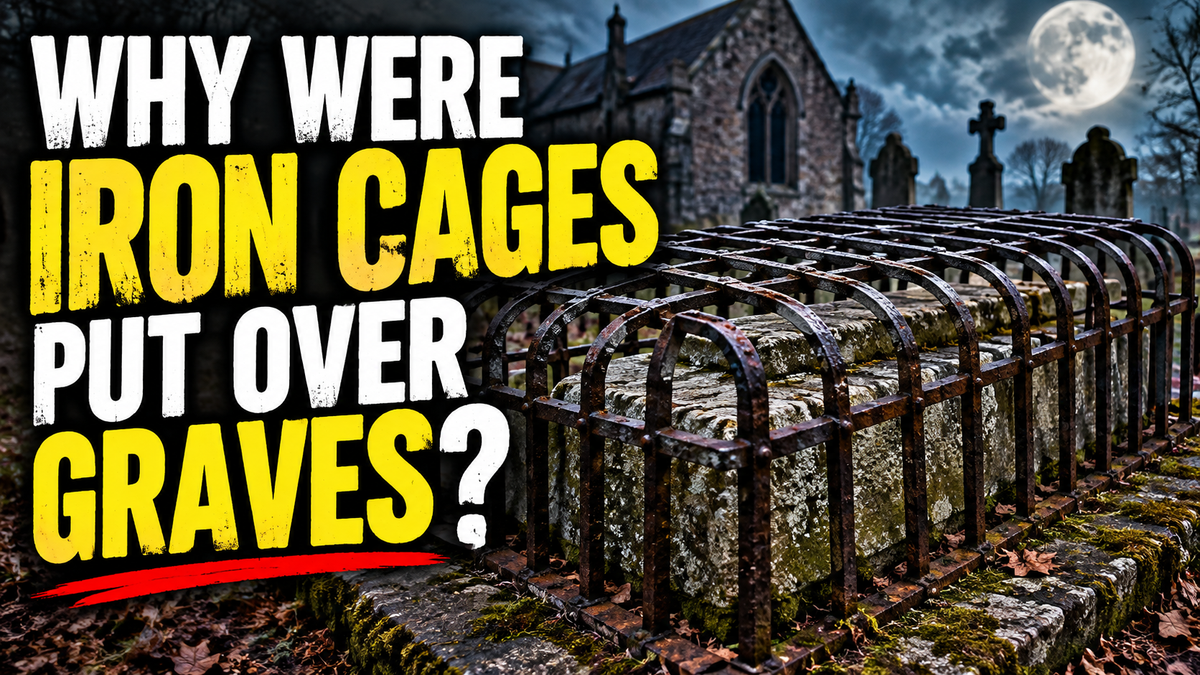
Walk through an old churchyard in Scotland or northern England and you may come across something startling: heavy iron cages fitted over certain graves. Known as mortsafes, these structures have sparked curiosity, legends, and more than a few ghost stories. But the real reason for iron cages over graves has nothing to do with the supernatural. It's a story about grieving families, a booming trade in stolen bodies, and the lengths people went to protect the people they loved.
This guide covers where mortsafes came from, the body snatching crisis behind them, the other clever defenses families used, the myths that grew up around them, and where you can still see them today.
Watch the Full Video Guide
The Body Snatching Crisis
In the late 1700s and early 1800s, medical schools in Britain were growing rapidly, and anatomy students needed bodies to study. But the law allowed only a small number of cadavers for dissection. Under Britain's Murder Act of 1752, the bodies of executed murderers could be used, and there simply weren't enough to meet demand.
That gap created a grim black market. So-called "resurrection men" or body snatchers would dig up freshly buried bodies at night and sell them to anatomists. Fresh bodies were most valuable, so the first few weeks after a burial were the most dangerous time. Body snatchers often dug down at the head of the grave, broke open the coffin, and pulled the body out, sometimes in under an hour.
The fear was widespread, especially in Scotland, where Edinburgh and Glasgow were major centers of medical education. The problem wasn't limited to Britain, either. In the United States, anger over grave robbing helped spark the 1788 "Doctors' Riot" in New York City.
What Is a Mortsafe?
A mortsafe is a heavy iron frame or cage placed over a grave to stop body snatchers from reaching the coffin. Mortsafes were most common in Scotland from roughly the 1810s to the 1830s. Designs varied, but many included:
- A heavy iron grid or cage covering the grave
- Iron rods driven deep into the ground or connected to a frame beneath the coffin
- Locks or bolts that required two keys, sometimes held by different people
- Stone slabs or heavy lids added for extra weight
Because they were expensive, many mortsafes were owned by a parish or a local "mortsafe society" and rented to families. A mortsafe typically stayed in place for about six weeks, until the body would no longer be useful to anatomists. It was then removed and used for the next burial.
Other Ways Families Protected Their Dead
Mortsafes were only one of several defenses communities used:
| Defense | How It Worked | Where It Was Used |
|---|---|---|
| Mortsafe | Heavy, often locked iron cage over the grave for several weeks | Mainly Scotland, also northern England |
| Watch house | Small buildings in churchyards where relatives or hired guards kept watch at night | Scotland, England, Ireland |
| Morthouse | A secure, locked building where coffins were stored until bodies were no longer useful to body snatchers | Scotland |
| Mortstone | A massive stone slab lowered over the grave, then moved to the next one | Scotland |
| Iron coffins | Patented iron coffins designed to resist being broken open | England |
| Coffin collars and cages | Iron bands or cages bolted around the coffin or the body underground | Britain and the United States |
| Deep graves and guard societies | Digging extra deep, or forming community groups to patrol cemeteries | Britain and the United States |
In the United States, later 19th-century inventions even included "cemetery guns" set to fire if a grave was disturbed and "coffin torpedoes," small explosive devices meant to deter grave robbers.
Burke and Hare and the End of an Era
The body snatching crisis reached a shocking peak in Edinburgh in 1828. William Burke and William Hare didn't rob graves. Instead, they murdered at least 16 people and sold their bodies to anatomist Dr. Robert Knox. When the crimes were uncovered, public outrage was enormous. Burke was hanged in 1829, and, in a grim twist, his own body was publicly dissected.
The scandal pushed lawmakers to act. Britain's Anatomy Act of 1832 allowed medical schools to legally use unclaimed bodies from places such as workhouses and hospitals, and it licensed anatomists. With a legal supply available, the demand for stolen bodies collapsed, and mortsafes soon fell out of use.
Debunking the Myths
| Myth | Fact |
|---|---|
| Iron cages were built to keep the dead from rising as vampires or zombies. | Mortsafes were built to keep the living out, specifically body snatchers. |
| Only criminals or feared people were buried under cages. | Ordinary families used them to protect loved ones, often by renting one from the parish. |
| Every iron enclosure around a grave is a mortsafe. | Many Victorian iron railings and fences around graves were decorative memorials, not anti-theft devices. |
| Mortsafes stayed on graves permanently. | Most were temporary, removed after about six weeks. The ones you see today were often left in place or later put on display. |
| Burke and Hare were grave robbers. | They were murderers who sold their victims' bodies, which is why their case caused such outrage. |
Decorative Iron Grave Enclosures
Not every iron structure in a cemetery is a mortsafe. In the Victorian era, families often placed ornate cast-iron railings, fences, or canopies around graves and family plots. These were symbols of status, love, and remembrance, often featuring elegant scrollwork, crosses, or floral designs. Many were later removed, especially during World War II metal drives in Britain, but some survive as beautiful examples of Victorian craftsmanship.
Where to See Mortsafes Today
Mortsafes are now rare, but several historic churchyards still have them, especially in Scotland. Well-known examples include:
- Greyfriars Kirkyard, Edinburgh: Home to several caged lairs (burial plots) from the body snatching era
- Logierait Churchyard, Perthshire: Known for its surviving coffin-shaped mortsafes
- Cluny Churchyard, Aberdeenshire: Notable for its mortsafes and related relics
- Other Scottish churchyards that preserve watch houses, morthouses, and mortstones
When visiting, remember that these are still burial grounds. Be respectful, stay on paths, and follow any local guidelines.
Preservation and Modern Significance
Today, mortsafes are valued as important pieces of cultural heritage. They offer a rare, tangible link to a time when families feared for their loved ones' remains, and to the history of medicine and the laws that eventually protected the dead. Historians, conservation groups, and local communities work to maintain them so future generations can learn from their stories.
For a deeper exploration of this topic, watch this in-depth video guide, or browse the Funeral Program Site YouTube playlist for more on funeral history and traditions.
Iron Cages in Popular Culture
The dramatic look of caged graves has inspired novels, horror films, and video games. Robert Louis Stevenson's 1884 short story "The Body Snatcher" drew on the Burke and Hare era, and countless stories since have used mortsafes as eerie backdrops. While their real purpose was practical, their haunting appearance continues to capture the imagination, and reminds us how far people will go to protect the ones they love.
Quick Tips (Short Videos)
Frequently Asked Questions
Why were iron cages put over graves?
Iron cages, called mortsafes, were placed over graves to stop body snatchers from stealing freshly buried bodies to sell to medical schools in the late 1700s and early 1800s.
How long did a mortsafe stay on a grave?
Usually about six weeks, until the body would no longer be useful for dissection. Many mortsafes were then removed and reused for the next burial.
Were iron cages only used in the UK?
Mortsafes were most common in Scotland and northern England, but other anti-body-snatching devices, such as coffin collars and cemetery guards, were used in parts of Europe and the United States.
Why did people stop using mortsafes?
Britain's Anatomy Act of 1832 gave medical schools a legal supply of bodies, which ended most of the demand for stolen ones and made mortsafes unnecessary.
Are new graves protected with iron cages today?
It is extremely rare. Modern laws, cemetery security, and legal body donation programs have made body snatching for medical study essentially obsolete.
Can I visit graves with mortsafes?
Yes. Historic churchyards such as Greyfriars Kirkyard in Edinburgh welcome visitors. Always be respectful, as these remain burial grounds.
Listen to the Podcast Episode
Explore More Resources
- Read the full support article on iron cages over graves
- Grave robbers and mortsafes on Google Sites
- Iron cages over graves on our Blogger site
- View the Google Doc version
- Watch the full video guide
- Short videos: What Are Mortsafes? and Grave Robbing and Iron Cages: Fast Facts
- Funeral Program Site YouTube playlist
- The Funeral Program Site
Conclusion
Iron cages over graves are far more than eerie relics. They're a testament to a time when families went to extraordinary lengths to keep their loved ones safe, even after death. The myths of vampires and restless spirits make for good stories, but the true history is one of grief, determination, and the enduring wish for dignity in burial. The next time you see a mortsafe in a quiet churchyard, take a moment to remember the people it was built to protect.
About the Author: Christi Anderson is the founder of The Funeral Program Site and The Funeral Channel Network, and a published author dedicated to helping families navigate funeral planning and end-of-life traditions with compassion and clarity.