What Happens to a Body Inside a Mausoleum? The Science and What Families Should Know

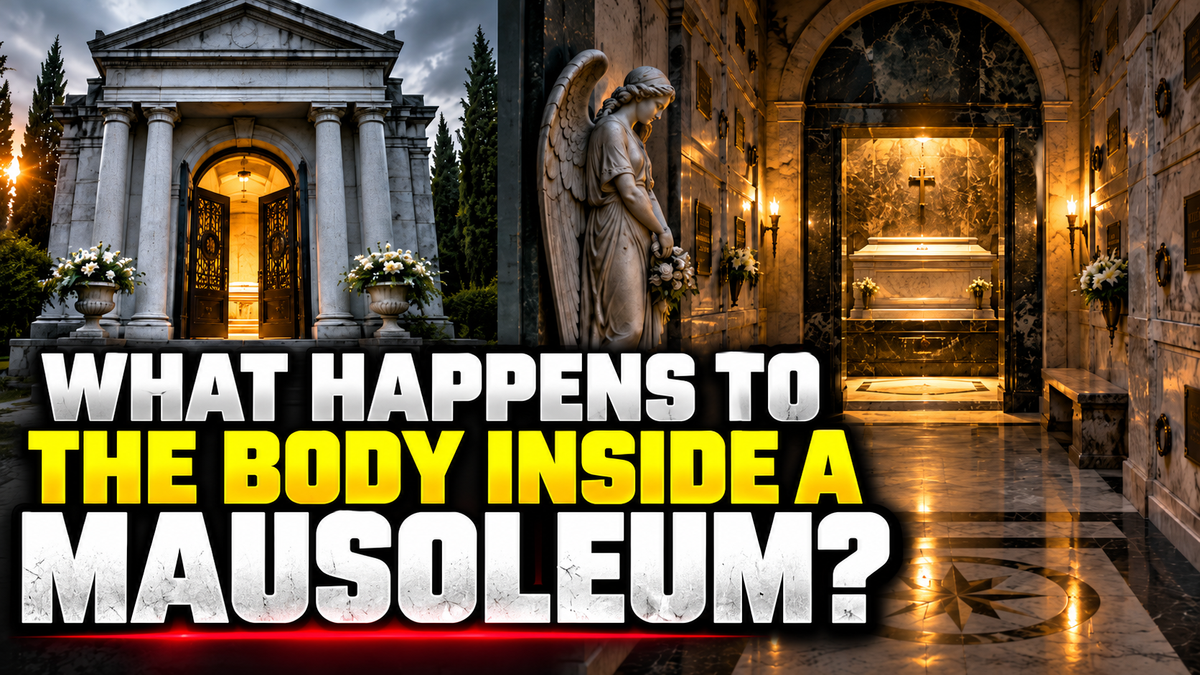
For centuries, families have chosen mausoleums as a dignified, lasting resting place for the people they love. Many find comfort in knowing their loved one rests above ground, protected from soil and weather, in a quiet space they can visit in any season. Yet families who choose mausoleum entombment often wonder what really happens to a body inside a mausoleum over time. In this complete guide, we explain how mausoleums work, the science of what happens after entombment, the issues families sometimes hear about, and the questions to ask before choosing this form of burial.
Watch the Full Video Guide
Understanding Mausoleums: Above-Ground Burial Explained
A mausoleum is a building designed to hold the remains of the deceased above ground. Inside, caskets are placed in individual compartments called crypts, which are then closed with a stone or marble front that usually bears the person's name and dates. Mausoleums have been used since ancient times. The word itself comes from the tomb of King Mausolus, built in the 4th century BC and counted among the Seven Wonders of the Ancient World.
Today, families can choose from several types of mausoleums:
- Community or public mausoleums: Large buildings owned by a cemetery, holding hundreds or thousands of crypts. These are the most common and affordable option.
- Private or family mausoleums: Free-standing structures built for one family, often custom-designed with stained glass, carvings, and room for several generations.
- Garden mausoleums: Outdoor walls of crypts, often set among landscaped grounds, where crypt fronts face open air rather than an indoor hallway.
- Lawn crypts: Pre-installed concrete chambers set just below ground level, offering some of the protection of a mausoleum with the look of a traditional grave.
Crypts come in different sizes as well. A single crypt holds one casket, while a companion crypt holds two, side by side or end to end, often for spouses.
What Happens During Entombment
An entombment service usually takes place at the mausoleum or in a nearby chapel. After a funeral or committal service, cemetery staff place the casket into the crypt using a lift or mechanical device, since many crypts sit several levels high. The crypt is then sealed, and the front panel is attached. The engraved crypt front may be added on the day of entombment or installed a few weeks later. Families are often welcome to stay for the placement, though some prefer to say goodbye in the chapel beforehand.
The Science of Decomposition Inside a Mausoleum
A body inside a mausoleum still goes through natural changes, but the process looks very different from an in-ground burial. Without soil, insects, and constant moisture, decomposition slows and often follows a different path. Several factors shape what happens:
- Crypt design: Some crypts are sealed tightly, while others are built with ventilation and drainage to let air and moisture escape.
- Temperature and humidity: Indoor, climate-controlled mausoleums stay fairly steady, while garden mausoleums and outdoor structures are exposed to seasonal heat and cold.
- Embalming: Most mausoleums require or strongly recommend embalming, which slows decomposition for a period of time but does not stop it.
- The casket: Metal caskets with rubber gaskets trap air and moisture inside, while wooden or unsealed caskets allow more exchange with the surrounding air.
Over time, the body tends to follow one of two paths. In dry, well-ventilated conditions, tissues gradually lose moisture in a process similar to mummification. In cool, damp, low-oxygen conditions, body fats can transform into a waxy material called adipocere, often known as grave wax, which can preserve the shape of the body for many years.
Sealed vs. Ventilated Crypts
One of the most important differences between mausoleums is how the crypts manage air and moisture.
| Crypt Type | How It Works | What It Means |
|---|---|---|
| Sealed crypt | Closed tightly to keep air and moisture out | Gases and fluids from decomposition can build up, especially with a sealed casket |
| Ventilated crypt | Built with vents or air channels that draw gases out of the building, often with drainage | Encourages drying, reduces pressure and odor, and is common in modern construction |
Many newer mausoleums are designed with ventilated or "breathing" crypts precisely to prevent the problems that older, tightly sealed designs sometimes caused.
What Happens Over Time? Stages of Change
Every entombment is different, but here is a general picture of what happens to a body inside a mausoleum:
| Time Frame | What Typically Happens |
|---|---|
| First few weeks | Embalming slows decay, but natural bacteria begin to break down tissues, producing gases inside the casket. |
| Months | Tissues soften and release fluids and gases. In ventilated crypts, the body gradually begins to dry. In tightly sealed caskets, pressure can build. |
| Several years | Mummification or adipocere formation becomes established, depending on moisture and airflow. |
| Decades and beyond | Remains are often skeletal or preserved in a dried or waxy state. They can last for many decades or even centuries. |
Potential Issues: Odor, Gas, and "Exploding Caskets"
Families sometimes hear stories about "exploding caskets." The reality is less dramatic, but the concern is real. Decomposition produces gases, and when a casket is sealed tightly inside a sealed crypt, those gases have nowhere to go. Pressure can build until a casket seal fails, forcing the lid open slightly or allowing fluids to leak into the crypt. In rare cases, this can cause odors or stains that require cleaning and repair.
To prevent this, many mausoleums now use ventilated crypts, and some caskets are fitted with pressure-release devices, sometimes nicknamed "burper" valves. Some cemeteries also recommend or require that the casket not be fully sealed when placed in a mausoleum, or they use crypt trays and liners to contain any leakage. With modern design and good maintenance, these issues have become uncommon.
Family Considerations and Mausoleum Maintenance
Choosing a mausoleum is a long-term commitment, so it's worth understanding how the building will be cared for. Mausoleums need regular inspections to check crypt seals, ventilation, drainage, roofing, and the overall structure. In community mausoleums, the cemetery usually handles this through an endowment or perpetual care fund. Private family mausoleums may require the family to fund maintenance themselves.
Before purchasing, families should ask:
- Are the crypts sealed or ventilated?
- Does the cemetery require embalming, a particular type of casket, or an unsealed casket?
- Is there a perpetual care or endowment fund, and what does it cover?
- How are odor, leakage, or structural issues handled if they occur?
- What are the visiting hours, and is the building accessible for older relatives?
- Are there additional fees for opening and closing the crypt, the engraved crypt front, or flower vases?
For more on these questions, you can watch this in-depth video guide on the topic.
Mausoleum Costs
The cost of mausoleum entombment varies widely by location, cemetery, and crypt placement. Crypts at eye level, often called "heart level" or "prayer level," are usually the most expensive, while those near the floor or ceiling cost less. Community mausoleum crypts often cost more than a traditional burial plot, though families may save on a burial vault and headstone. Private family mausoleums are the most costly option, sometimes running into the hundreds of thousands of dollars. Always request an itemized price list that includes the crypt, entombment fees, the crypt front engraving, and any maintenance charges.
Why Families Choose a Mausoleum
- Protection from the elements: The casket is shielded from soil, groundwater, and weather.
- Comfortable visitation: Indoor mausoleums offer a quiet, climate-controlled place to visit year-round, regardless of rain, snow, or heat.
- Keeping families together: Companion crypts and family mausoleums allow spouses and relatives to rest side by side.
- Tradition and faith: Many families, including those of some religious and cultural backgrounds, value above-ground entombment as a respectful tradition.
- A dry, clean resting place: Some people simply prefer the idea of resting above ground rather than in the earth.
Many mausoleums also include columbarium niches for cremated remains, giving families a way to keep loved ones together even when some choose cremation.
Frequently Asked Questions About Mausoleums
Does a body decompose in a mausoleum?
Yes. A body inside a mausoleum still decomposes, but more slowly and differently than in the ground. The process often leads to mummification in dry conditions or adipocere (grave wax) in damp, low-oxygen conditions.
Do mausoleums smell?
Well-designed and well-maintained mausoleums should not have noticeable odors. Ventilated crypts carry gases away. Odors can occur when seals fail or maintenance is poor.
Do caskets really explode in mausoleums?
Not explosively. However, gas pressure inside a tightly sealed casket can cause seals to fail or fluids to leak. Ventilated crypts and pressure-release devices help prevent this.
How long does a body last in a mausoleum?
Remains can last for many decades or even centuries, depending on embalming, the casket, crypt design, and environmental conditions.
Embedded JavaScript
Quick Tips (Short Videos)
Learn More and Explore Further
- The Funeral Program Site: your resource for funeral planning and memorial products.
- The Funeral Channel Network Video Library: watch more videos on burial options, funeral planning, and traditions.
Read the full support article
Read the Google Doc version
Conclusion
Understanding what happens to a body inside a mausoleum can help families choose with confidence and peace of mind. While natural changes still take place, modern ventilated crypts, careful maintenance, and good planning make mausoleum entombment a dignified, lasting resting place. If you're considering this option, ask detailed questions, request itemized pricing, and choose a cemetery you trust to care for your loved one for generations to come.