Burial Vaults Explained: A Complete Guide to Types, Benefits, and Selection

When making funeral arrangements, one of the most important yet least understood components is the burial vault. If you've ever wondered what a burial vault is, why it's used, or how to choose the right one, this guide will have burial vaults explained in clear, practical terms. We'll cover everything you need to know, from the basics to expert tips, so you can make informed decisions for yourself or your loved ones.
Watch the Full Video Guide
What Are Burial Vaults?
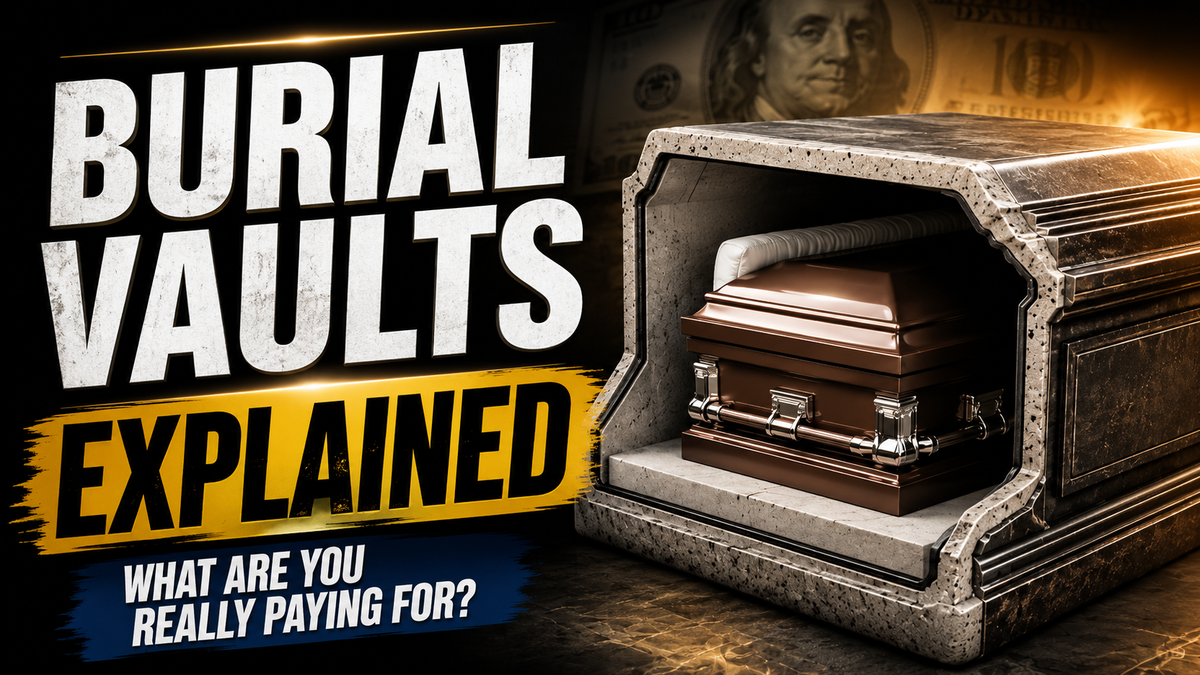
A burial vault is a sturdy outer container designed to encase a casket once it is placed in the ground. Its main purpose is to protect the casket from the weight of the earth, prevent the grave from collapsing, and shield the casket from water and soil. Most modern cemeteries require burial vaults to maintain the appearance and safety of the burial grounds.
Why Burial Vaults Matter
Burial vaults serve several essential functions:
- Grave Protection: They prevent the ground above the casket from sinking or caving in over time.
- Environmental Barrier: Vaults keep water, soil, and insects away from the casket, slowing the natural process of deterioration.
- Cemetery Maintenance: By preserving the integrity of the grave, vaults make it easier for cemeteries to maintain a neat and level landscape.
- Worker and Visitor Safety: A stable grave site reduces the risk of ground collapse for cemetery staff and visiting families.
Types of Burial Vaults
There are several types of burial vaults, each offering different levels of protection, durability, and price points. Here's a comparison to help you understand your options:
| Type | Material | Protection Level | Typical Cost |
|---|---|---|---|
| Concrete Vault | Reinforced Concrete | High | $$ |
| Metal Vault | Steel, Bronze, Copper | Very High | $$$ |
| Plastic/Polymer Vault | High-Density Plastic | Moderate | $ |
Burial Vaults vs. Grave Liners
It's important to distinguish between burial vaults and grave liners. While both are used to support the grave, a grave liner only covers the top and sides of the casket, offering less protection. Burial vaults, on the other hand, fully enclose the casket and provide a more comprehensive barrier against the elements. This distinction is crucial when comparing costs and cemetery requirements, since some cemeteries accept the more affordable liner while others specifically require a full vault.
Benefits of Using a Burial Vault
- Preserves Grave Appearance: Prevents ground settling and keeps the cemetery looking orderly.
- Protects the Casket: Shields the casket from moisture, insects, and soil pressure.
- Peace of Mind: Offers reassurance that your loved one's resting place will remain undisturbed for years to come.
- Long-Term Value: A well-chosen vault can reduce the likelihood of future issues like a tilting or sinking headstone caused by ground instability.
How to Choose the Right Burial Vault
When selecting a burial vault, consider the following factors:
- Cemetery Regulations: Many cemeteries have specific requirements regarding vault type and material.
- Material and Durability: Choose a vault that fits your budget and desired level of protection.
- Personalization: Some families opt for decorative vaults or those with custom engravings and finishes.
- Long-Term Priorities: If preserving the grave site for many decades is important to your family, investing in a higher-protection vault may be worth the added cost.
For a comprehensive video walkthrough, watch our detailed video guide or explore our YouTube channel for more resources on burial vaults and funeral planning.
Frequently Asked Questions
- Are burial vaults required by law? No federal or state law mandates burial vaults, but most cemeteries require them for maintenance and safety.
- How long do burial vaults last? High-quality vaults can last for decades, depending on the material and environmental conditions.
- Can burial vaults be personalized? Yes, many providers offer options for engravings, decorative finishes, and even custom colors.
- Do I have to buy a burial vault from the cemetery? No, in most cases you're free to purchase a vault from a third-party provider, as long as it meets the cemetery's requirements.
- What's the difference between the vault types in terms of protection? Metal vaults generally offer the highest protection and cost, concrete vaults strike a strong balance of durability and price, and plastic vaults are the most budget-friendly option with moderate protection.
Quick Tips (Short Videos)
Additional Resources
- For more support, visit our full support article.
- Explore our YouTube channel for more educational content.
Want to view this article in a different format? view the Google Doc version
Conclusion
Understanding burial vaults is crucial for making informed decisions about funeral planning. Whether you're choosing a vault for yourself or a loved one, knowing the types, benefits, and requirements can help you select the best option. For more information, don't hesitate to reach out to funeral professionals or explore our video and podcast resources above. With burial vaults explained, you can approach this important decision with confidence and peace of mind.